
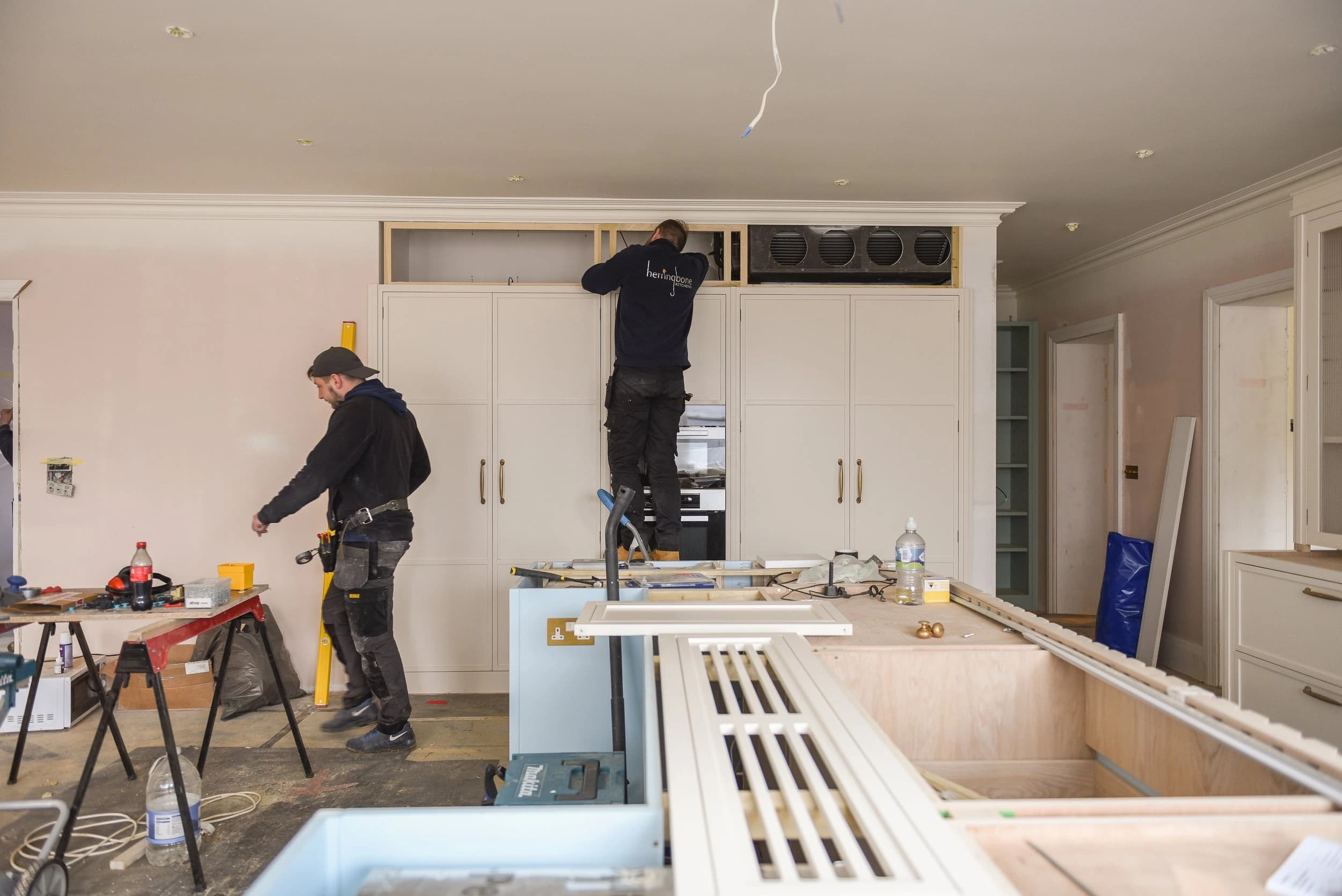

A bespoke kitchen may be suitable for an accelerated programme, but the phrase six weeks needs a clear definition. Nura has described a paid express option for suitable projects, subject to agreement and availability. Before planning a move-in date around it, establish what the quoted window covers and which decisions need to be resolved first. The practical question is whether your project has the information, products and site conditions required for the proposed dates. A shorter programme works through preparation and coordination, rather than by leaving essential decisions until later.
What Six Weeks Actually Measures
Ask the supplier to define the start and end of the express window in writing. It might refer to a production stage or to another agreed supply milestone; do not assume that delivery, installation and a working kitchen are all included. List the surrounding tasks separately: survey information, drawing approval, finish samples, appliances, transport, fitting and any worktop fabrication. Then connect them to the household’s target date. If an important stage sits outside the express quotation, include it in the wider programme before deciding whether the option meets your needs.
The Go/No-Go Checklist: Sizes
Every cabinet dimension must be fixed and signed off in writing before an express slot can be confirmed. This means the room survey is complete, the layout is approved, and there are no outstanding queries about ceiling heights, pipe runs, or structural elements that might affect sizing. A single unresolved dimension, a column to be chased out, a beam height to be confirmed, can affect the feasibility of the proposed slot, because a change may require fresh drawings, materials or production work. If your site has open structural questions, resolve them before booking express capacity.
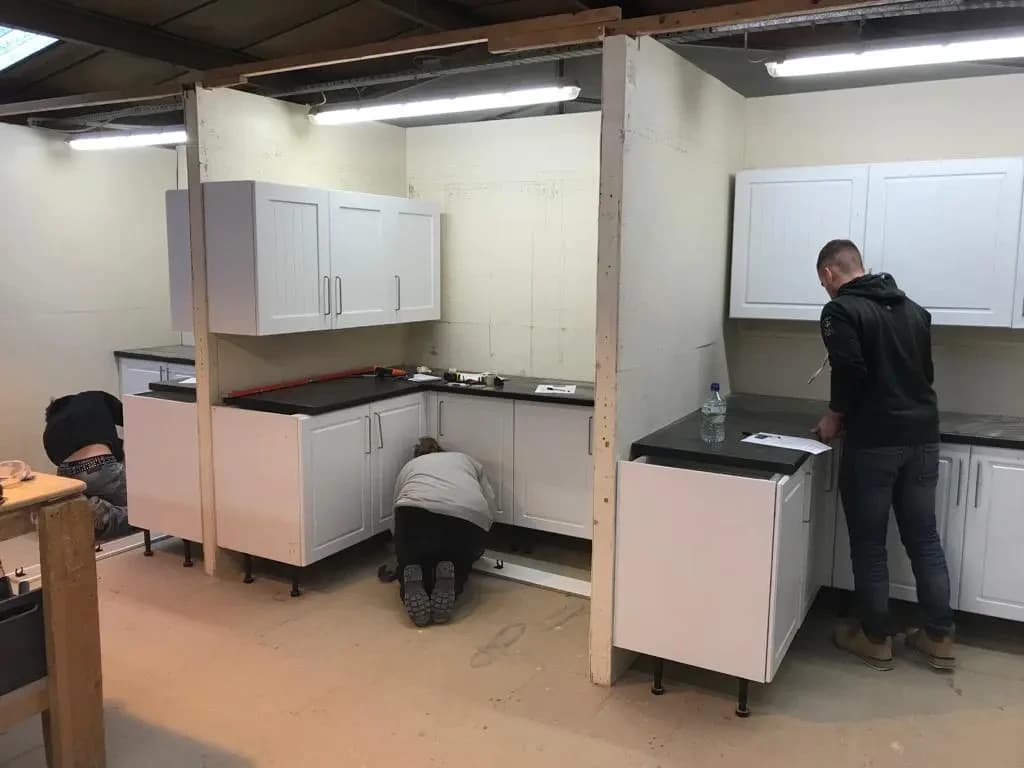
The Go/No-Go Checklist: Samples and Finishes
Door profile, paint colour or veneer, handle, and any decorative detail must be approved from physical samples, not screen references or mood boards. Colour matching within an agreed scope, for instance, matching cabinetry to an existing element in the room, is something Nura accommodates without a special surcharge where it falls within the standard finishing process, but the match itself must be confirmed and signed off before production begins. Requesting a finish change after an express slot has started is not a minor amendment; it may affect cost and the agreed programme.
The Go/No-Go Checklist: Appliances
Appliance selection must be finalised and, where relevant, units must be on order or confirmed available before the express slot is booked. Cabinet dimensions are built around appliance cutouts, and a last-minute switch from one model to another, even within the same category, can alter the required opening by enough to require a new panel. Check delivery lead times for every appliance independently. For example, a delayed appliance may affect fitting or commissioning even if the cabinet production stage can proceed. Confirm that distinction with the design team rather than treating every component as having the same delivery date.
The Go/No-Go Checklist: Capacity Confirmation
Express slots are not always available. They represent a specific commitment of workshop capacity that sits outside the standard order queue, and they are offered when that capacity genuinely exists, not as a default upgrade. Confirming availability early, and understanding that the slot is only held once the paid commitment is in place, is essential. Assuming express capacity will be there when you need it, without confirming it, is a planning risk that sits entirely on the homeowner's side.
The Go/No-Go Checklist: Written Start and End Dates
A verbal conversation is not enough to coordinate the surrounding trades. Ask for the proposed start, the target milestone, the information required to release production and the dependencies that could change the dates. A conditional estimate can still be useful when its conditions are explicit. What matters is that you understand which dates are confirmed, which are provisional and who will notify the team if something changes. This gives the homeowner a clearer basis for planning and helps the supplier assess whether the requested slot is realistic.
What Cannot Be Skipped, Even on Express
Two steps remain non-negotiable regardless of schedule pressure. The first is a fitting inspection after cabinets are installed, checking level, plumb, and security, before stone templating begins. Templating over cabinets that have not been properly checked risks a worktop that does not fit, which is expensive and time-consuming to remedy. The second is adequate cure time for any adhesives, sealants, or painted finishes applied on site. These are not bureaucratic holdups; they are the quality gates that determine whether the kitchen performs as intended over years of use.
Is Express Right for Your Project?
Hypothetically, a homeowner with a fully surveyed room, approved drawings, signed-off samples, confirmed appliances, and a clear site could move from express slot confirmation to cabinets ready for delivery in approximately six weeks. In practice, most projects have at least one open variable that needs resolving first, and resolving it properly, rather than under pressure, produces a better kitchen. The honest question to ask is not "can we do six weeks?" but "are we genuinely ready to start?"
If you are working out whether your project meets the criteria for an express programme, the bespoke kitchen guide covers the broader specification process, and booking a consultation is the right next step to assess readiness honestly with the Nura team.
Planning your next step
Use this guide as a starting point for your own brief. Compare the room, materials and practical requirements with the way you want the space to work.
Read the bespoke kitchen planning guide or explore Nura bespoke kitchen services before discussing your project.
Ready to discuss the brief? Contact the Nura studio to share your plans, questions and priorities.