
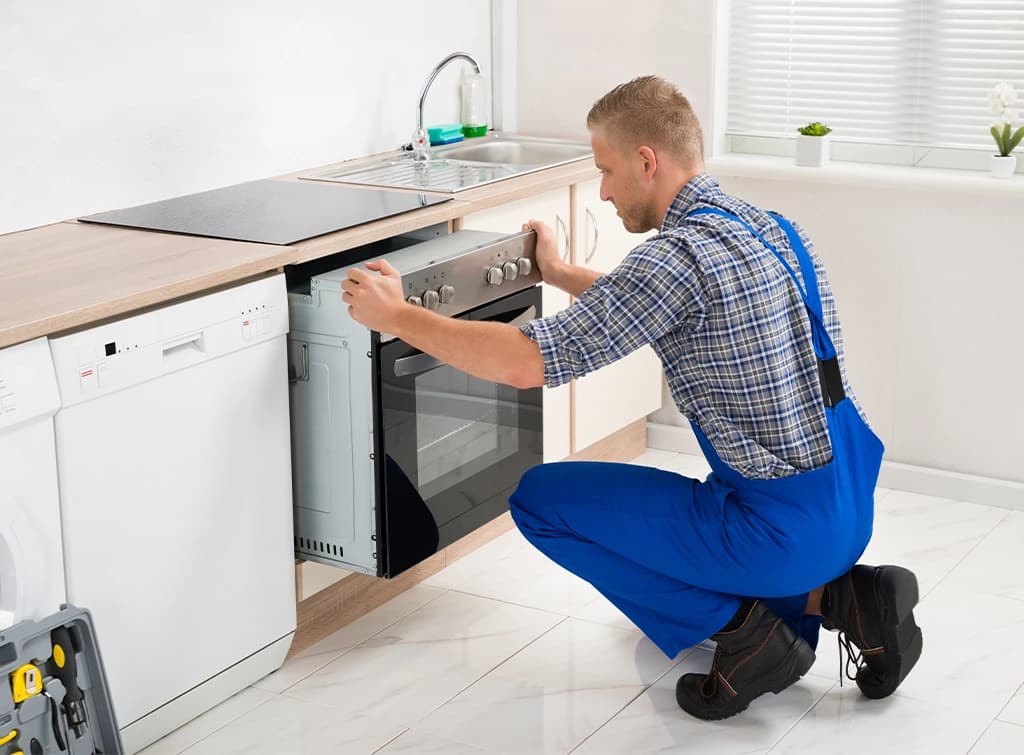

Splitting a kitchen project across multiple suppliers is more common than it might seem. You may have a stone merchant you trust, a preferred appliance brand your cabinetmaker does not stock, or a building contractor already on site who could handle the fit. Each of these arrangements is workable, but each introduces coordination responsibilities that need to be assigned clearly before a single cabinet is manufactured. Getting that clarity early prevents the kind of mid-project friction that delays handover and inflates cost.
What 'Supply Only' Actually Means
When a cabinetmaker supplies cabinetry without fitting it, they are delivering manufactured units to your site, not installing them, not commissioning appliances, and not coordinating trades. This is sometimes called a supply-only arrangement. It is a legitimate and often sensible model, but it is important not to assume that fitting, levelling, scribing, or snagging are included unless they are explicitly confirmed in writing. The scope of what is and is not covered should be agreed before you sign off on the design.
Supplying Your Own Appliances
Bringing your own appliances into a bespoke kitchen project is entirely possible, but the exact model, including the precise dimensions, ventilation requirements, and electrical or gas connection type, must be confirmed and approved before manufacture begins. Cabinet openings, housing depths, and ventilation routes are built around appliance data, and a last-minute model change can mean remaking units. Share the full technical specification sheet for each appliance with your cabinetmaker at the earliest opportunity, and confirm in writing that the design has been drawn around those exact models.
Worktops: Who Measures, Who Templates, Who Fits
If you are sourcing your own stone, solid surface, or timber worktop, the sequencing matters as much as the material choice. Templating, the precise measuring visit carried out by the worktop fabricator, must happen after cabinets are fitted, levelled, and secured. It cannot reliably happen before, because any movement during installation will affect the template. Confirm with your worktop supplier when they need to template, how long fabrication takes from that point, and who is responsible for booking and coordinating that visit. These are not details your cabinetmaker can manage if they are not supplying the worktop.
Using Your Own Installer
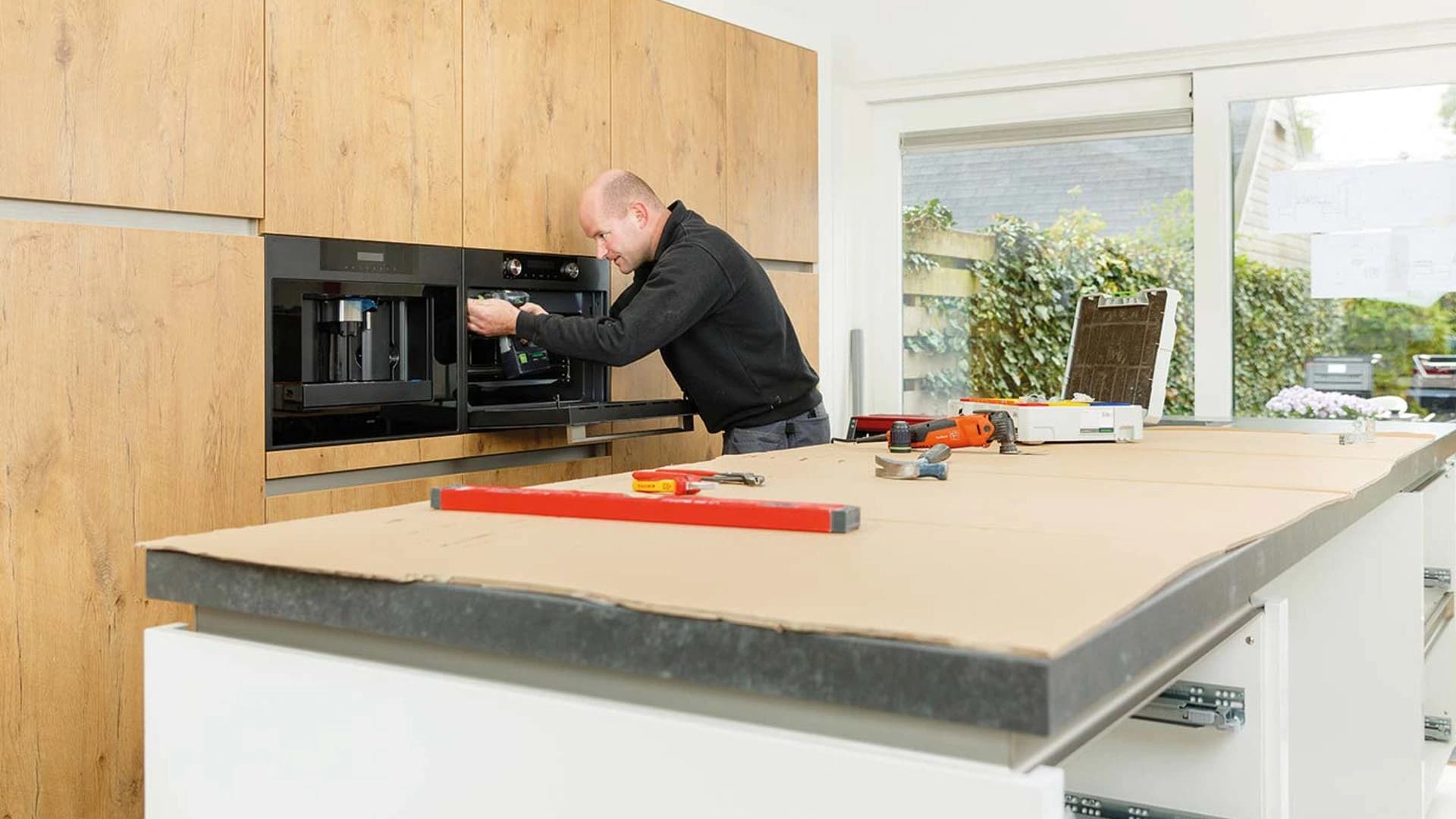
If you plan to use your own installer, whether a general contractor, a joiner, or a specialist kitchen fitter, share that information with your cabinetmaker before the design is finalised. Some cabinetmakers will want to brief the installer directly on assembly sequence, fixing methods, and any bespoke details that require specific handling. Others will provide written installation notes and leave coordination to you. Either way, your installer should be familiar with the cabinet system being used and comfortable working with the specific materials and hardware specified. It is worth asking your cabinetmaker whether they offer an optional survey or site visit to support an independent installer.
Survey, Delivery, and Storage
Whether or not your cabinetmaker is fitting the kitchen, someone needs to carry out a pre-manufacture survey to confirm room dimensions, ceiling heights, service positions, and any structural constraints. Confirm who is responsible for this and when it will happen. Equally, confirm who is responsible for receiving the delivery, checking units against the schedule, and storing them safely until installation begins. Cabinets delivered to a wet or unheated site, or left in conditions where they are at risk of impact or moisture, may arrive in good condition and deteriorate before they are ever fitted.
Services, Connections, and What Falls Outside Cabinetry Scope
Electrical work, gas connections, plumbing and extraction ducting may sit under separate appointments. Confirm whether any of those tasks are included in the kitchen supplier’s scope or need to be arranged independently. These trades need to be coordinated around the cabinet installation sequence, not before it and not after it, but in the right order. If you are managing your own installer, you are also managing this sequencing. It is worth mapping out which trade needs to be on site at which stage before work begins, rather than discovering mid-installation that a plumber cannot complete their second fix because cabinets are in the way. This is not a reason to avoid a split-supply arrangement; it is simply a reason to plan it carefully. The Nura Interiors process page outlines how a fully managed project is sequenced, which can serve as a useful reference even if you are coordinating independently.
Appliance Warranties and Independent Supply
Purchasing appliances independently, directly from a manufacturer or retailer, does not automatically void the manufacturer's warranty. Warranty terms vary by brand and product, and you should read the specific terms for any appliance you are buying. What can affect a warranty is incorrect installation: an appliance that is not connected in accordance with the manufacturer's instructions, or not commissioned by a qualified person where that is required, may not be covered for faults arising from that installation. This is a matter between you and the appliance manufacturer; your cabinetmaker is not in a position to advise on warranty terms for products they have not supplied.
Agreeing Scope Before Manufacture
The single most important step in any split-supply arrangement is a written scope document agreed by all parties before manufacture begins. This does not need to be a lengthy legal instrument, a clear responsibility schedule is a useful working document alongside the relevant project appointments and terms. Ambiguity about who owns a task is almost always more expensive than the conversation required to resolve it upfront. If you are working with a design professional who is coordinating the project, confirm whether scope management falls within their role or yours. Nura Interiors works collaboratively with architects and interior designers, and the for professionals page sets out how that collaboration typically works.
If you are planning a kitchen with a mixed-supply arrangement and would like to talk through how the scope could be structured, book a consultation and we can work through the detail with you.
Planning your next step
Use this guide as a starting point for your own brief. Compare the room, materials and practical requirements with the way you want the space to work.
Read the bespoke kitchen planning guide or explore Nura bespoke kitchen services before discussing your project.
Ready to discuss the brief? Contact the Nura studio to share your plans, questions and priorities.