
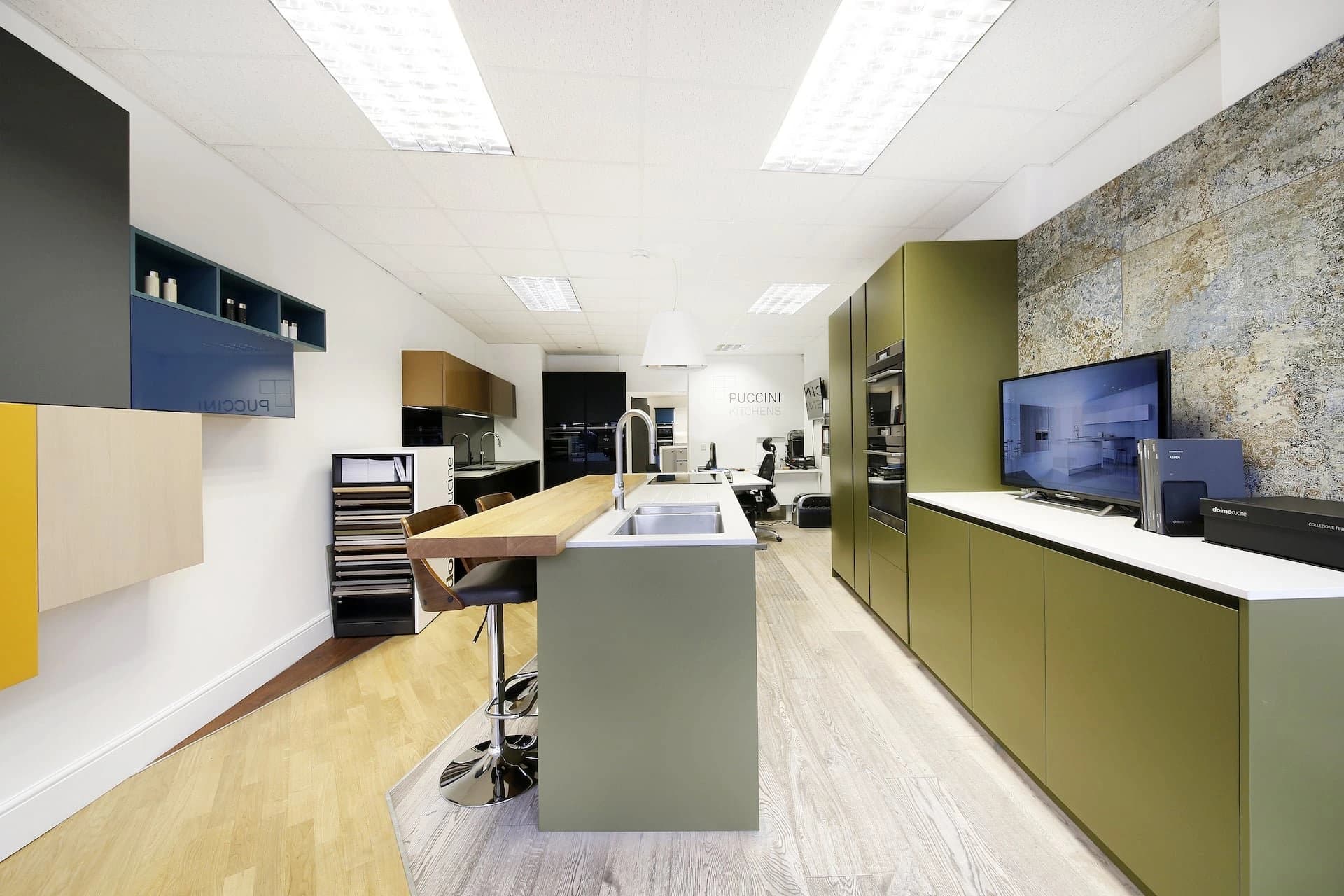

When you begin pricing a new kitchen, you will quickly encounter two broad procurement routes: buying through a dealer or showroom that represents one or more manufacturers, and buying directly from a supplier, whether that is a bespoke maker, a factory-direct brand, or a trade-facing manufacturer that has opened its offer to retail customers. Neither route is inherently superior, and the cost difference between them is rarely as straightforward as it first appears. What matters is understanding what each route actually includes, and where accountability sits at each stage.
What a Dealer Model Typically Involves
A kitchen dealer is usually an independent retailer or showroom that sells products from one or more manufacturers. The dealer handles the customer relationship, design, specification, quoting, and often project management, while the manufacturer produces and supplies the cabinetry. Some dealers also manage installation through their own fitting teams or preferred subcontractors. The dealer is typically your contract party, but the actual scope and responsibilities still need to be established from the appointment.
What Buying Direct Usually Means
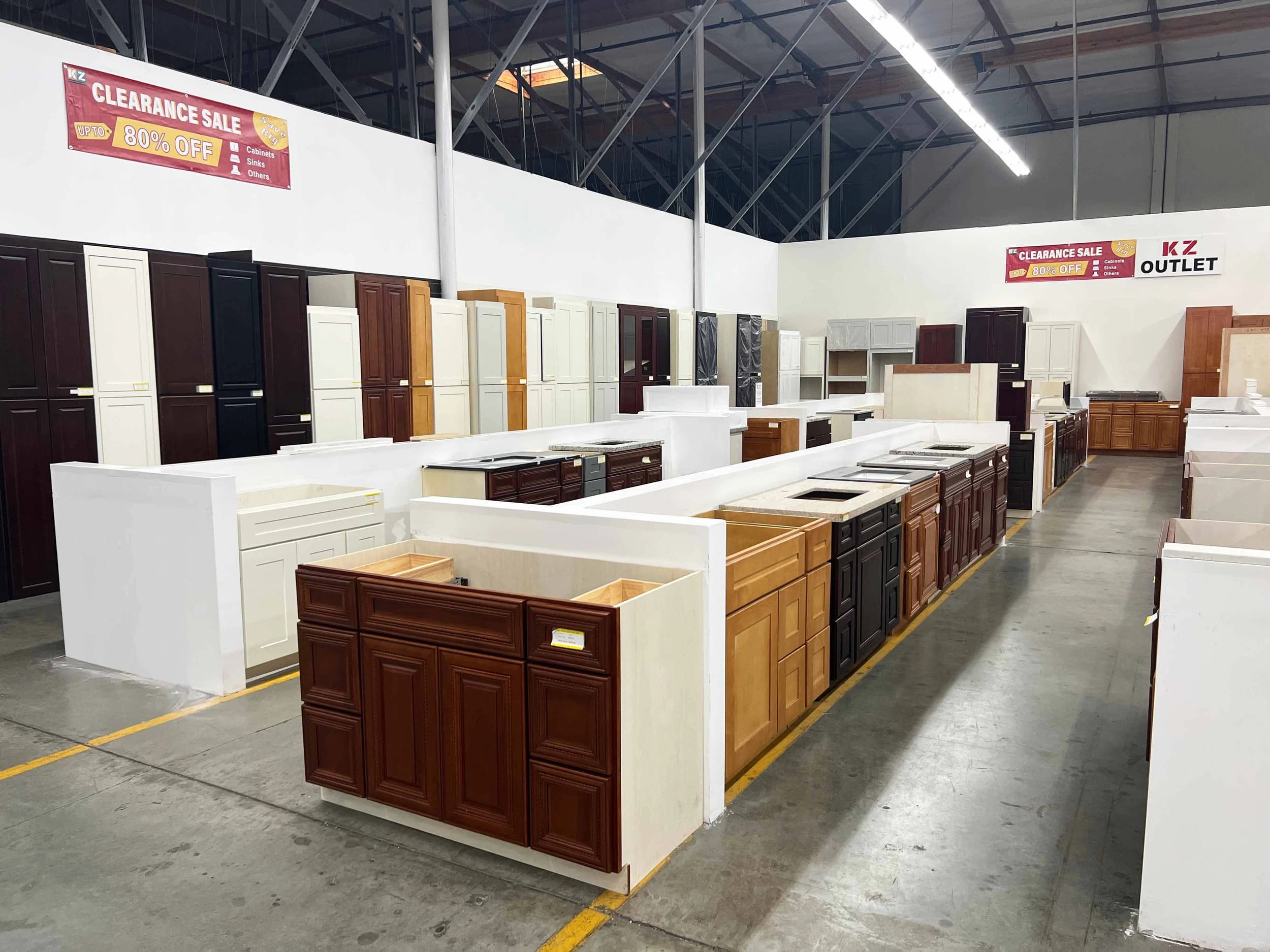
Buying direct can mean several things depending on the supplier. A bespoke joinery studio that designs, makes, and installs in-house is a direct supplier in the fullest sense. A factory-direct brand that sells online and leaves installation to you or a third party is also technically direct, but the scope is very different. Before assuming that cutting out a middleman saves money, establish precisely what the direct supplier's offer includes, design service, delivery, installation, and aftercare can each be included, optional, or absent entirely.
Design and Specification Accountability
One of the most important questions in either route is who owns the design process and who is accountable if the specification turns out to be wrong. With a dealer, the design is usually produced in-house and the design responsibilities need to be stated in the appointment. With a direct supplier, the same may be true, or the design may be produced by a third-party architect or interior designer, with the supplier responsible only for manufacturing to a provided drawing. Clarify this early. A kitchen that is beautifully made to an incorrect drawing is an expensive problem regardless of which route you used.
Contract Party and What That Means in Practice
Your contract party is the entity you can hold to account if something goes wrong. In a dealer model, that is usually the dealer. In a direct model, it is the supplier. Where fitting is subcontracted, by either a dealer or a direct supplier, ask whether the fitting contract sits with the same party as the supply contract, or whether you are effectively managing two separate relationships. Fragmented contracts can complicate dispute resolution and delay remedial work. A single accountable party for supply and installation is generally simpler, though not always available.
Comparing Quotes on a Like-for-Like Basis
A dealer quote and a direct quote for what appears to be the same kitchen can differ significantly in what they include. Carcass material, door specification, hardware brand, worktop supply, installation, waste removal, and aftercare visits may each be included in one quote and absent from another. The comparison framework at the kitchen quotation comparison guide is useful here. It is also worth reading the carcass material guide if carcass specification differs between quotes, since material choices affect both performance and long-term maintenance.
Supply Chain Visibility and Lead Times
With a dealer, the supply chain runs from manufacturer to dealer to you, and the dealer may have limited visibility into production schedules. With a direct supplier, particularly a bespoke maker, you may have more direct insight into where your project sits in the production queue. Ask both types of supplier what triggers the formal start of your project, what the realistic lead time is from that point, and how changes to specification are handled once production has begun. Vague answers to these questions are worth probing before you commit.
Local Fitting Support and Aftercare
If you are buying from a supplier based outside your area, whether a regional dealer or a direct manufacturer, ask how installation is managed locally and who handles snagging. Some suppliers maintain regional fitting teams; others work with approved local contractors. Either can work well, but the quality of aftercare often depends on how closely the supplier oversees that local relationship. For projects in London, it is worth confirming that whoever manages your installation has genuine familiarity with the access constraints and building types common in the city.
A Simple Comparison Checklist
Before committing to either route, it helps to compare the following across each quote you receive:
| Factor | Questions to Ask |
|---|---|
| Design accountability | Who produced the design and who is liable if it is wrong? |
| Contract party | Who do you contract with for supply, and separately for installation? |
| Specification depth | What materials, hardware, and finishes are explicitly included? |
| Lead time trigger | What event starts the clock on your stated lead time? |
| Aftercare | Who manages snagging, and for how long after handover? |
Working With Nura Interiors
Nura Interiors works as a direct bespoke supplier, with supply and fitting arrangements agreed to suit the project. We collaborate with architects and interior designers as well as homeowners, you can find out more about our professional offer at collaboration for design professionals. If you would like to discuss your project and understand how our process works before making any commitment, we would be glad to hear from you at arrange a consultation.
Planning your next step
Use this guide as a starting point for your own brief. Compare the room, materials and practical requirements with the way you want the space to work.
Read the bespoke kitchen planning guide or explore Nura bespoke kitchen services before discussing your project.
Ready to discuss the brief? Contact the Nura studio to share your plans, questions and priorities.