
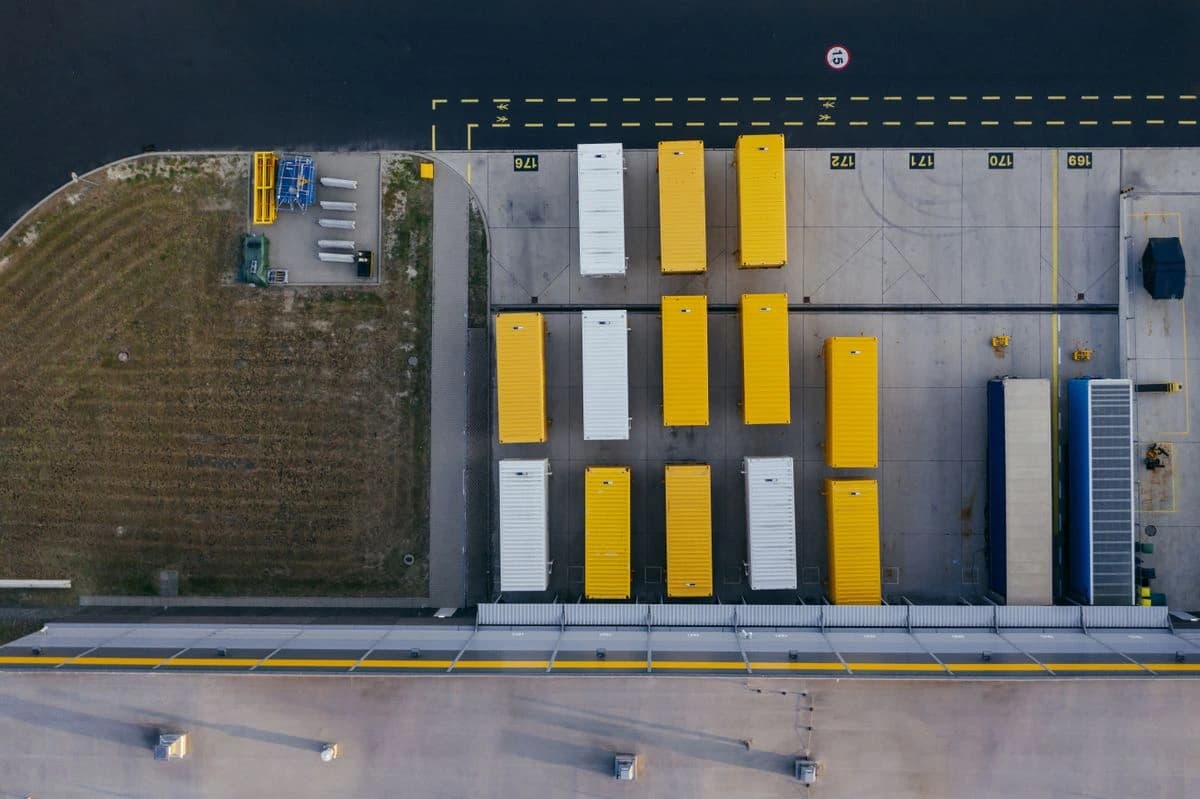

When a bespoke kitchen is destined for an address outside the United Kingdom, the project timeline stops being a single clock and becomes several running simultaneously. Production has its own rhythm; freight and customs have theirs; and the receiving site has a third, often the least predictable of all. Understanding how these timelines interact, and where the dependencies sit, is one of the most practical things a client or their project manager can do before a cabinet is ever drawn.
Production Is Not the Move-In Date
The most common misunderstanding in international kitchen projects is treating the end of production as the project completion date. In a domestic London installation, the gap between production completion and handover is relatively short. Internationally, that gap expands to include packing, export documentation, freight booking, transit, customs clearance, local handling and site preparation, each of which has its own lead time and its own potential for delay. Planning backwards from a realistic site-ready date, rather than forwards from a production estimate, tends to produce a more honest programme.
Confirmed Routes and Freight Booking
Freight routing for a bespoke kitchen, particularly one involving large carcasses, stone worktops or tall housing units, requires early confirmation. The choice between groupage (shared container) and dedicated freight affects both cost and transit predictability, and availability on preferred routes is not always guaranteed at short notice. Freight bookings are typically made once production is confirmed and a ready date is known, which means the freight leg of the timeline cannot be fully planned until production is underway. Building a buffer between the production ready date and the freight booking is a practical precaution rather than an optional luxury.
Customs Questions Worth Asking Early
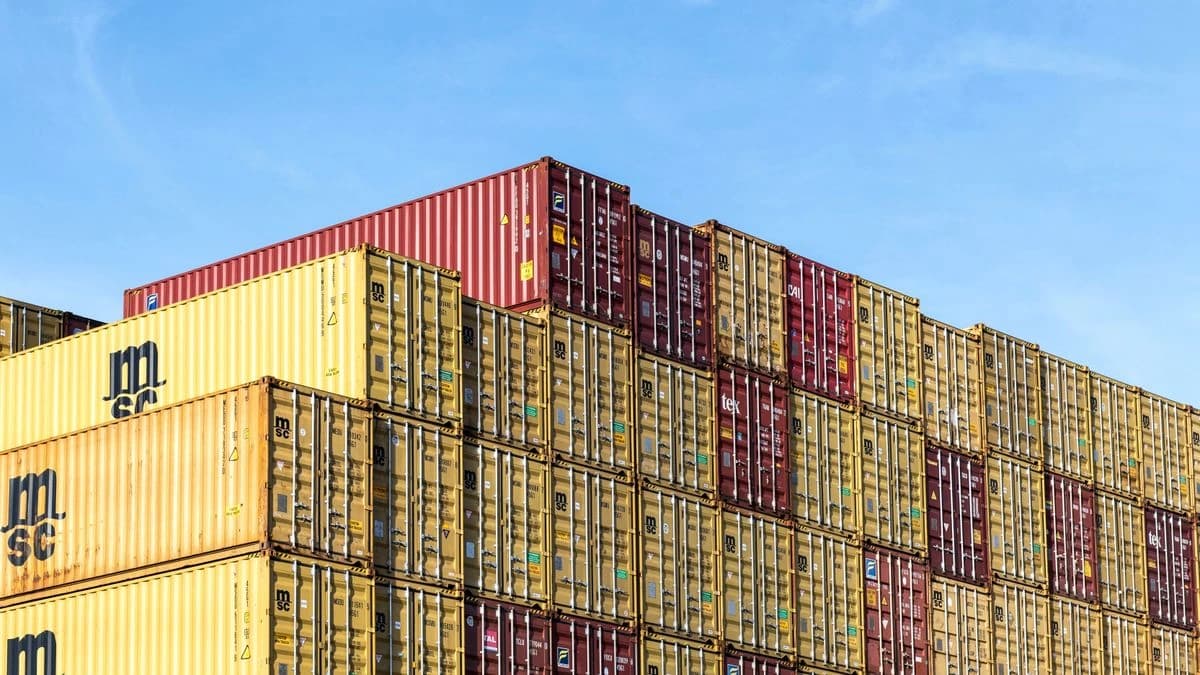
Customs requirements vary significantly by destination country and can affect both the documentation required and the time goods spend at the border. Some destinations require a detailed packing list with individual item values; others require certificates of origin or specific material declarations. It is worth establishing early, ideally with a freight forwarder who has experience in your destination country, what documentation will be needed, whether any materials in the specification are subject to import restrictions, and what the realistic customs clearance window looks like. These are questions for your logistics partner rather than your kitchen designer, but the answers will shape the overall programme.
Packing for International Transit
Bespoke kitchen components are not packed for international freight in the same way they are packed for a domestic delivery. Carcasses, doors, drawer fronts and worktops each require protection appropriate to a longer journey with more handling points. Export-grade packing, typically involving additional bracing, moisture-resistant wrapping and clearly labelled crating, adds time to the despatch process and should be factored into the programme from the outset. Discussing packing requirements with your designer and freight partner early avoids last-minute decisions that can compromise either the protection of the components or the departure date.
Local Handling and the Last Mile
Once goods arrive in the destination country, the logistics chain passes to local handlers. The quality and reliability of local handling varies considerably, and it is worth establishing in advance who is responsible for receiving the delivery, where goods will be stored if the site is not ready, and how components will be moved from the delivery point to the installation floor, particularly in high-rise residential buildings where lift access, loading bay restrictions and building management protocols can all introduce delays. A local project manager or fit-out contractor who knows the building is invaluable here.
Site Readiness and Staged Dependencies
A kitchen cannot be installed into a site that is not ready to receive it, and in international projects the definition of ready is more demanding than it might first appear. The floor must be at finished level, services must be in position, and the space must be clear of other trades. Stone worktops, where applicable, are templated after carcasses are fitted and level, not before, which means the final templating and fabrication release need to follow the stone supplier’s agreed sequence; material selection and procurement may be planned earlier. This staged dependency is worth mapping explicitly in the programme, as it affects the overall timeline more than almost any other single factor. For further context on how bespoke kitchen projects are structured, nura-interiors.com/process sets out the general approach.
Route Changes and Contingency
Freight routes can change. Port congestion, carrier schedule adjustments and seasonal demand fluctuations can all affect the originally planned route or transit window. Building a contingency buffer into the programme, particularly between the planned arrival date and the planned installation start, is a straightforward precaution that experienced project managers treat as standard. Agreeing in advance what happens if goods are delayed in transit, including where they will be stored and who bears the cost of any resulting programme extension, is a conversation worth having before the freight is booked rather than after.
Bringing the Timelines Together
Successful international kitchen projects are built on a realistic programme that maps all the overlapping timelines from the outset. Production, packing, freight, customs, local handling, site readiness and staged installation dependencies each need their own slot, with buffers at the points where one timeline hands over to another. If you are planning a kitchen for an international address and would like to discuss how the process works in practice, Nura welcomes enquiries from clients and design professionals at the early planning stage. You can read about working with professionals at nura-interiors.com/for-professionals or explore completed projects at nura-interiors.com/projects. To start a conversation about your project timeline, visit nura-interiors.com/consultation.
Planning your next step
Use this guide as a starting point for your own brief. Compare the room, materials and practical requirements with the way you want the space to work.
Read the bespoke kitchen planning guide or explore Nura bespoke kitchen services before discussing your project.
Ready to discuss the brief? Contact the Nura studio to share your plans, questions and priorities.