
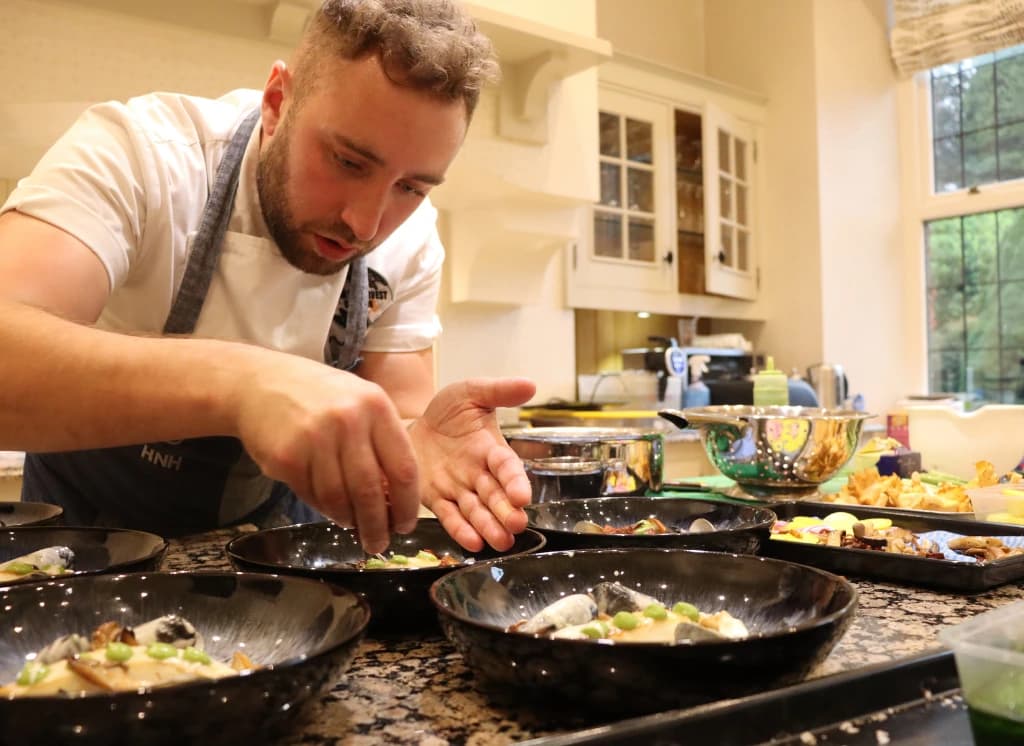

There is a particular pleasure in standing in a kitchen that has been made precisely for you, watching someone cook in it with complete ease. Nura Interiors offers an optional complimentary chef experience as part of some projects, a gesture intended to bring the space to life at handover. Because the exact terms, eligibility, and logistics are confirmed directly with the studio, this article walks you through the sensible questions to ask and what a well-considered event of this kind typically involves.
How the Experience Fits Into the Project Journey
The chef event, where it applies, is positioned around the handover stage, the point at which your kitchen has been installed, commissioned, and is ready for use. It is not a construction-phase visit, and it is not a substitute for a formal handover walkthrough. Think of it as a celebratory first use of the space, designed to let you experience the kitchen functioning as it was intended, rather than simply receiving keys and a manual.
Confirming Eligibility and Availability
Before making any plans, ask Nura directly whether the experience is available for your specific project and, if so, what triggers the invitation. Eligibility may depend on project scope, timing, or other factors the studio can clarify in writing. Availability of a suitable chef will also vary by date and location, so early conversation is worthwhile. Do not assume the experience is included automatically; request written confirmation of what is offered and under what conditions.
Guests, Timing, and Access
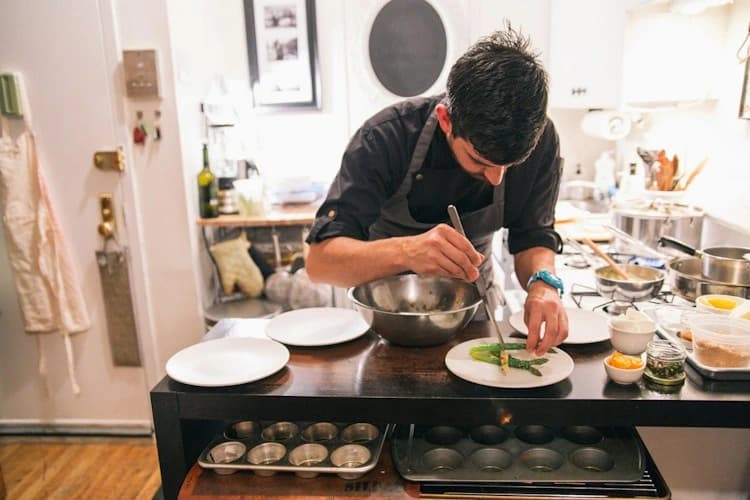
Once confirmed, practical questions follow naturally. How many guests does the event accommodate? Is it an intimate household occasion or can you invite a small group? What time of day is the session scheduled, and how long does it typically run? You will also want to understand access arrangements, whether the chef arrives independently, what equipment or provisions they bring, and whether you are expected to supply anything in advance. These details shape the experience considerably and are worth settling early.
Commissioned Appliances and Kitchen Readiness
A chef working in your kitchen for the first time will rely on the appliances being fully commissioned and functioning correctly. Induction zones, ovens, extraction, and any integrated refrigeration should all be tested and signed off before the event takes place. If your project includes specialist appliances, a steam oven, a teppanyaki surface, or a wine climate cabinet, confirm whether the chef is familiar with them or whether a brief demonstration from the installation team would be useful beforehand. A kitchen that is ready in every practical sense makes for a far more relaxed occasion.
Dietary Requirements and Menu Conversation
If you or your guests have dietary requirements, communicate these clearly and in good time. The chef will need to plan accordingly, and last-minute changes are difficult to accommodate well. Ask how and when to share this information, and whether there is a menu discussion in advance or whether the chef works to a set format. This article does not offer dietary or medical guidance; the conversation about what is suitable for your household belongs with the chef directly.
What the Experience Is Not
Agree the character of the occasion with the studio and chef rather than relying on a broad label. That might mean an informal supper, a demonstration or another format that suits the confirmed offer. Establish who will attend, how the evening will be hosted and what the household needs to prepare. A clear invitation helps everyone look forward to the same experience, while leaving the menu and practical arrangements to be confirmed with the people delivering the event.
Hosting Layout: Setting the Kitchen Up for the Occasion
If your kitchen includes an island or peninsula, consider how seating is arranged so that guests can watch the cooking without crowding the working zone. A clear distinction between the preparation area and the social area makes the event more comfortable for everyone. If you have designed your kitchen with entertaining in mind, perhaps with a bespoke layout developed through the Nura process, this is the moment that thinking pays off. Good sightlines, accessible storage, and a logical flow between cooking and serving all contribute to an occasion that feels effortless rather than managed.
Cleaning and Handover Condition
Ask clearly who is responsible for cleaning after the event and what condition the kitchen should be left in. A newly installed kitchen deserves careful treatment, and surfaces, appliances, and cabinetry should be handled with the same care during the chef event as at any other time. Confirm whether the chef or a supporting team handles clearing up, and whether any specialist cleaning products are recommended for your particular surfaces and finishes.
Starting the Conversation
If the chef experience sounds like something you would value, the right moment to raise it is during your design consultation, so that expectations are set early and logistics can be planned alongside the project timeline. Book a consultation with the Nura team to discuss your project and ask about the experiences available at handover.
Planning your next step
Use this guide as a starting point for your own brief. Compare the room, materials and practical requirements with the way you want the space to work.
Read the bespoke kitchen planning guide or explore Nura bespoke kitchen services before discussing your project.
Ready to discuss the brief? Contact the Nura studio to share your plans, questions and priorities.